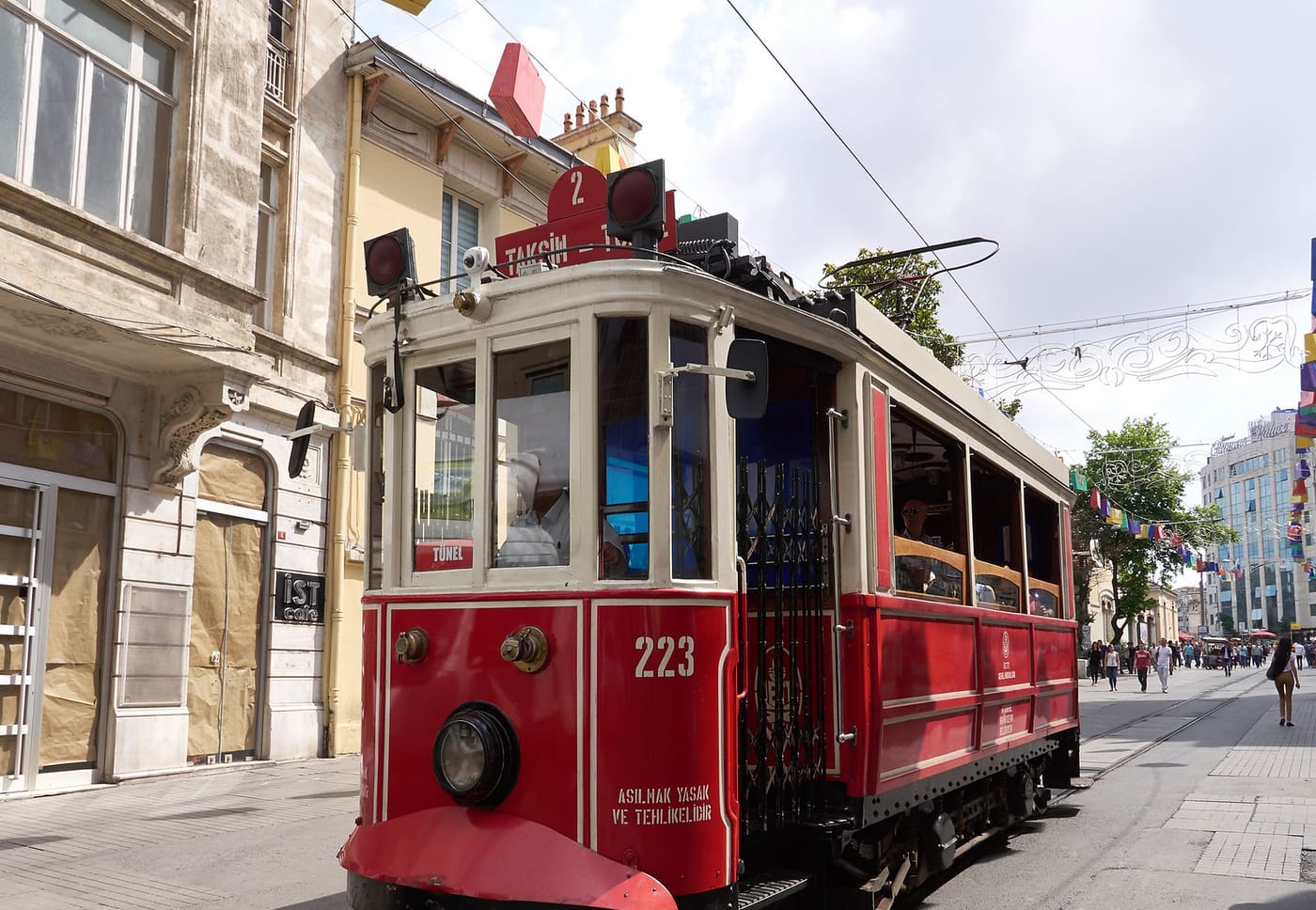
Istanbul Travel Tips: Trams, Ferries, Mosques and Museum Closing Days
Istanbul travel tips: the T1 tram, M2 metro and ferries, mosque visiting rules, museum closing days, the İstanbulkart and where to check before you go.
The Istanbul travel tips that come up again and again fit in a short list. Get an İstanbulkart, ride the trams, metro and public ferries, cover your shoulders and knees in mosques, haggle only in the bazaars and check each museum’s closing day before you go. If it’s your first visit, start early at the big sights and spend a day on the Asian side. Every place named below is on the map, and the hard facts come from the official pages linked beside them.
The picks below are ordered by how many guides name them. Roam Istanbul read 18 guides in English, Turkish, German, French and Italian, from independent blogs and local magazines. Every hour, closing day and rule on this page comes from the place’s own page or an official body, not from those guides. A few guides couldn’t be opened, and the ones that sell tours or passes were left out. Prices move quickly in Turkish lira, so this page doesn’t quote any and points to the page that does.
The short list
| Tip | Guides naming it (of 18) |
|---|---|
| İstanbulkart | 12 |
| Cover shoulders and knees in mosques | 12 |
| Trams, metro and ferries instead of taxis | 10 |
| Public ferry instead of a paid cruise | 10 |
| Haggle in the bazaars | 10 |
| Cross to Kadıköy and the Asian side | 10 |
| Taxis by meter or app | 7 |
| Carry some cash | 7 |
| Scams to know | 7 |
| Comfortable shoes | 6 |
| Local SIM or eSIM | 6 |
| Check which airport you use | 7 |
| Plan around prayer times | 5 |
| Tipping | 5 |
| Hamam booking and etiquette | 5 |
What’s on while you’re here
Most tip lists stop at transport. Roam Istanbul also reads venue and organiser calendars, so the events page shows what’s on for your dates, and live music lists the gigs. The map puts both next to the places in this guide. For where to base yourself read where to stay in Istanbul.
The İstanbulkart
Recommended by 12 of 18 guides read.
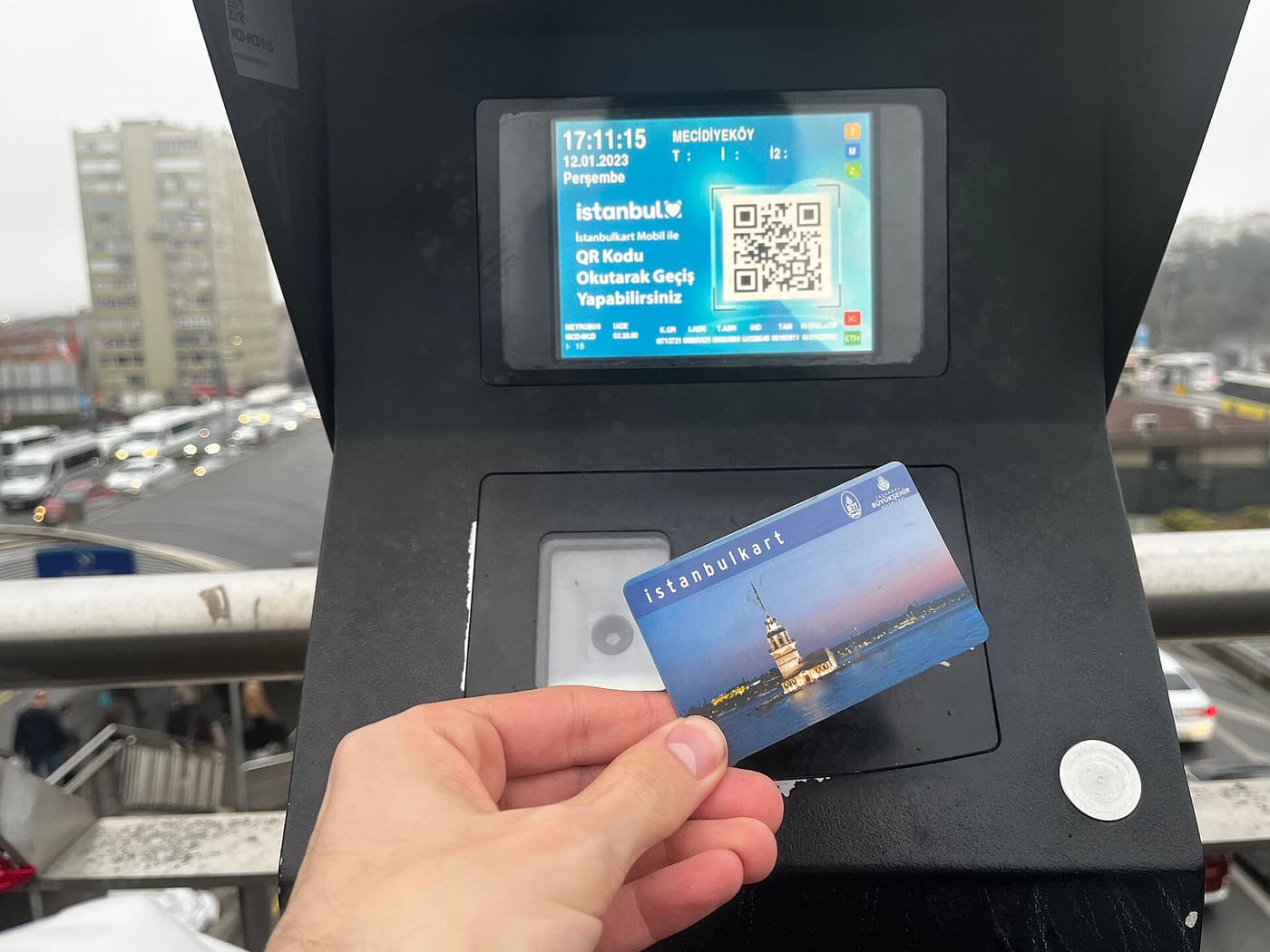
The İstanbulkart is the city’s transport card, run by the Istanbul Metropolitan Municipality, and the official İstanbulkart site is where the current card types, fees and limits are kept. Guides say you’ll want to buy one on arrival and top it up at a machine or kiosk. The site’s pages loaded without the fare tables when this was checked, so look up today’s card price and fares there. Don’t trust a figure on a blog.
Mosque dress and prayer times
Recommended by 12 of 18 guides read for dress, and by 5 for planning around prayer times.
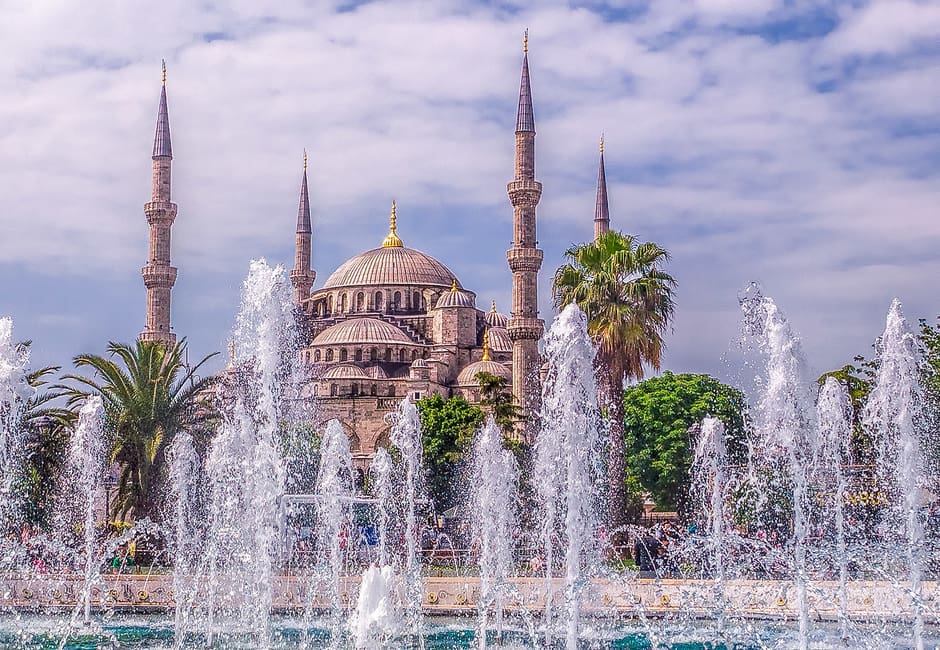
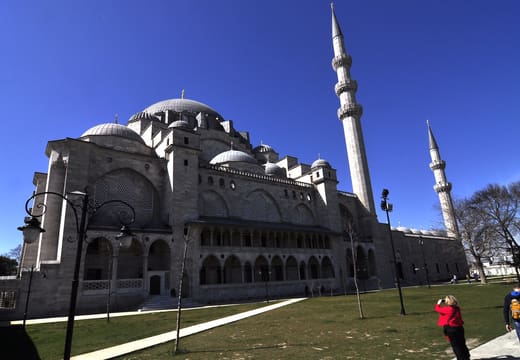
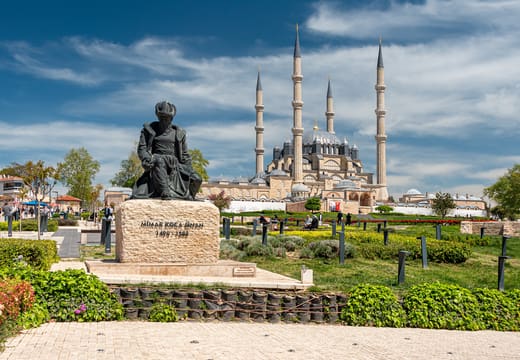
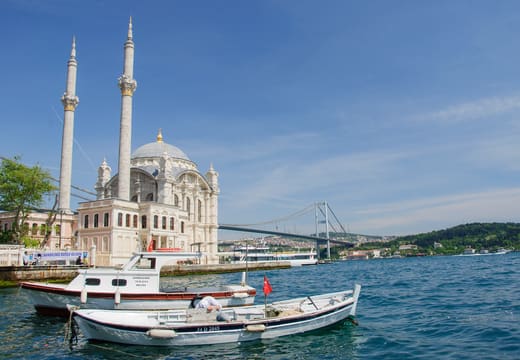
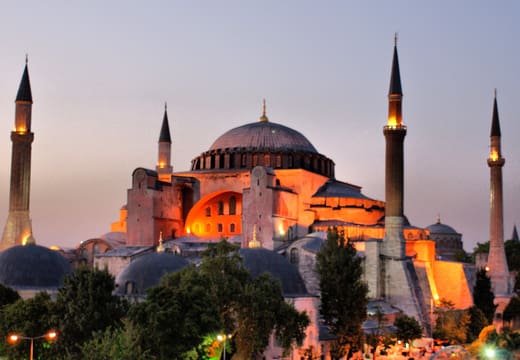
Almost every guide gives the same rule. Cover your shoulders and knees, carry a scarf, take your shoes off and expect to be asked to wait when worship is on. Mosques here are working places of worship and they’re not sights first, so the Blue Mosque, Süleymaniye Mosque, Selimiye Mosque and Ortaköy Mosque all follow it. The Büyük Çamlıca Mosque on Çamlıca Hill welcomes visitors outside prayer times. Early in the day is the quietest time, and guides add that you’ll find Friday midday the busiest. For Hagia Sophia, check its own page for the current visiting arrangements before you go, and the site sets them itself.
Trams, metro and public ferries
Recommended by 10 of 18 guides read for the trams and metro, and 10 for the public ferry.
The city’s big, and the guides agree that rail and water beat the road. The T1 tram links the old city’s sights with the Golden Horn shore. The M2 metro crosses the water to Şişhane and Taksim. Check lines and timetables on the operators’ own sites, Metro İstanbul for rail and Şehir Hatları for ferries. Şehir Hatları blocked automated access when this was checked, so you’ll need to look up ferry times yourself.
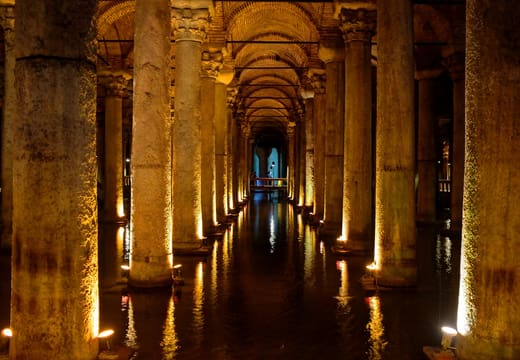
Each stop puts you near different sights. The T1 stop at Sultanahmet is the one for the Basilica Cistern, and Hagia Sophia and the Blue Mosque both face Sultanahmet Square, so you can walk between them. Topkapı Palace is a walk from the Sultanahmet or Gülhane stops. Eminönü is the stop for the Spice Bazaar and the Galata Bridge to Karaköy. The M2’s Şişhane station is the one for the Galata Tower. The Tünel funicular station sits at the lower end of İstiklal Avenue, which runs up to Taksim Square. Guides add that buses and shared minibuses fill the gaps, and that rush hour is slow on every road.
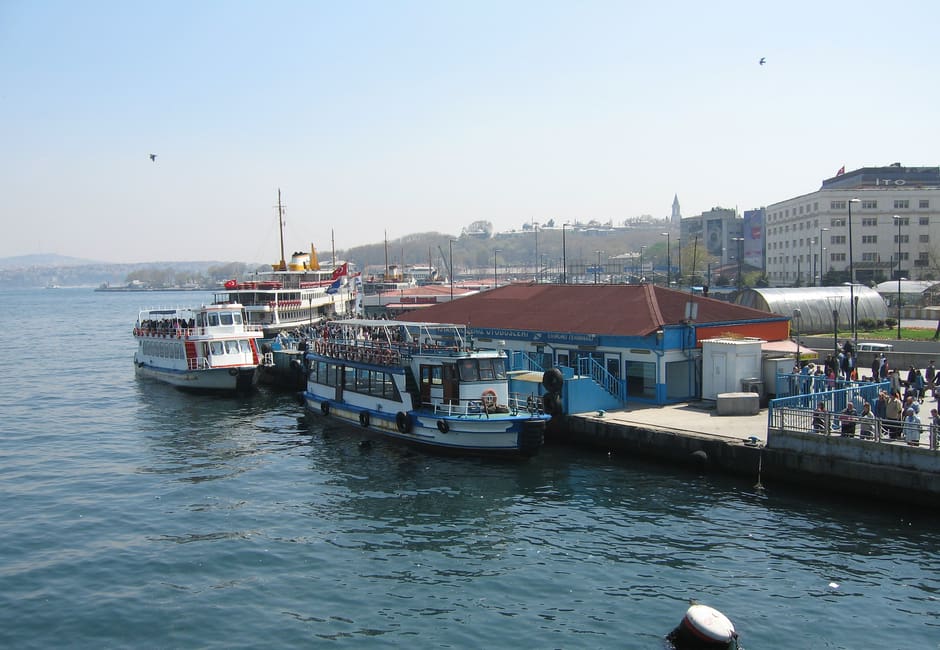
The ferry’s the part guides like most. Ten of them send you onto a public line instead of a paid cruise, and the usual choice is the crossing from Eminönü or Karaköy to Kadıköy. Piers to know are Eminönü Ferry Pier, Karaköy Pier, Üsküdar Pier and Square and Kadıköy Pier. If you do want the longer water trip, the long Bosphorus tour and the short one leave from the Eminönü area. For villages up the strait, see Bebek and the Upper Bosphorus.
Kadıköy and the Asian side
Recommended by 10 of 18 guides read.
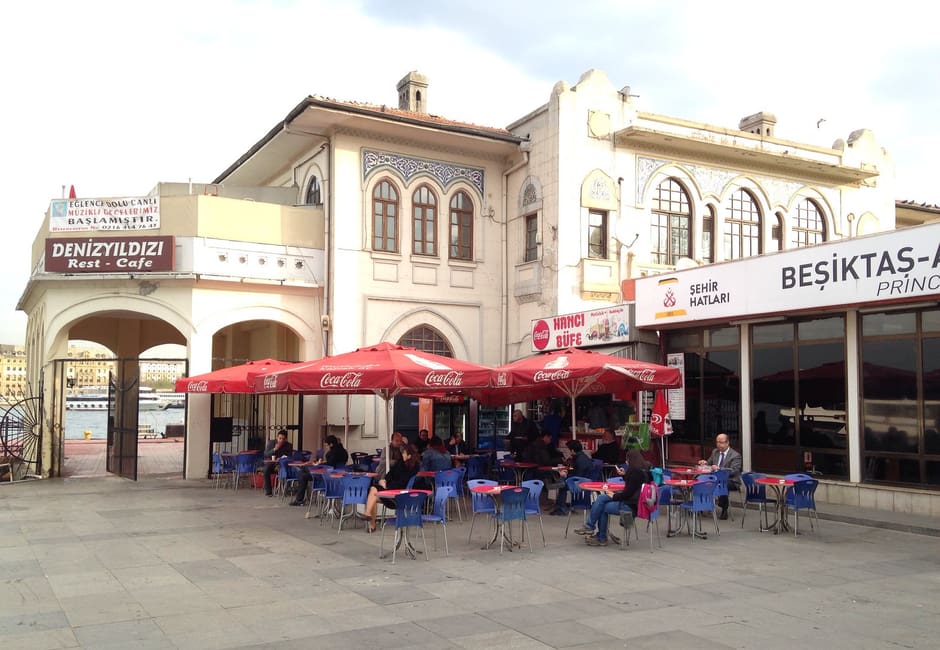
Guides treat the Asian shore as the half of the city that first-timers skip. The ferry puts you in Kadıköy, a market and food district that feels more local than the old city. Read the neighbourhood guide before you cross, and leave time for the ferry back.
Haggling, cash and scams
Recommended by 10 of 18 guides read for haggling, 7 for carrying cash and 7 for scam warnings.
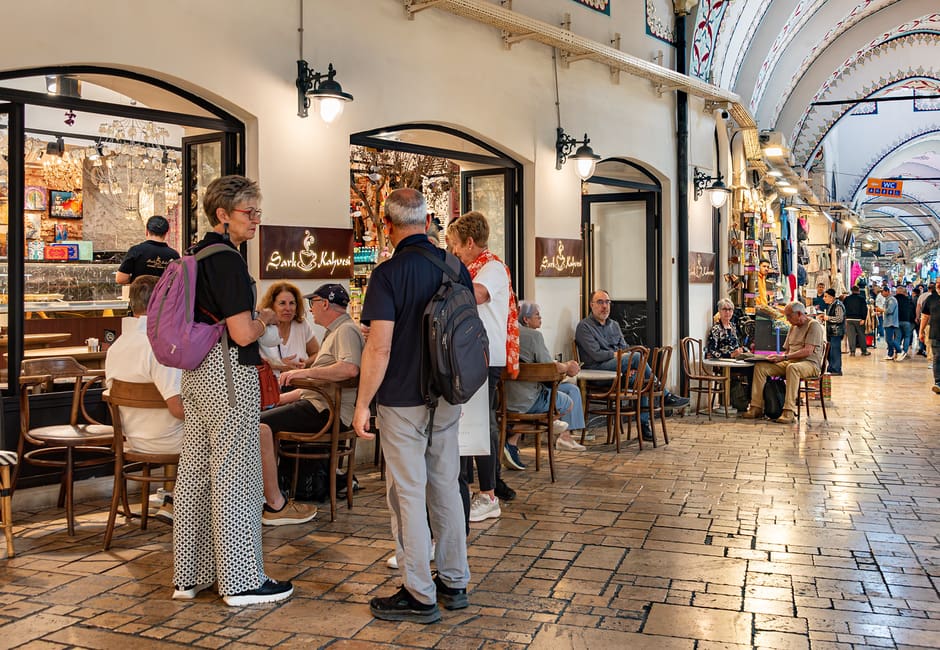
Haggling belongs in the Grand Bazaar and the spice market, not in shops with printed prices. Open well below the first price and stay polite, since you’re not in a hurry. The Grand Bazaar keeps its own days and hours, so check its site before you plan around it. Guides also say to keep some lira and small notes for markets and street food, and to pay in lira when a card terminal offers to charge you in euros or dollars.
The guides’ safety advice is practical rather than alarming, and most of it is in this section. The scams the guides repeat are few. A shoe-shiner drops a brush and expects payment for a shine. A friendly stranger invites you to a bar where the bill’s the problem. Taxi drivers who refuse the meter are the third. Seven guides tell you to insist on the meter or use a taxi app, and to walk away if it isn’t running. Check your own government’s current travel advice before you book, since it changes.
Practical odds and ends
Six guides say to wear comfortable shoes, since the hills and cobbles are real, and six suggest a local SIM or an eSIM. Seven tell you to check which of the city’s two airports your flight uses, and the Istanbul Airport site is the official page for that one. Five guides say to tip in restaurants and at hamams, and five tell you to book a hamam ahead and ask about its rules for men and women. Each bath sets its own, so read the page of the one you choose: Cağaloğlu Hamamı, Çemberlitaş Hamamı, Kılıç Ali Paşa Hamam or Çukurcuma Hamamı.
Museum closing days
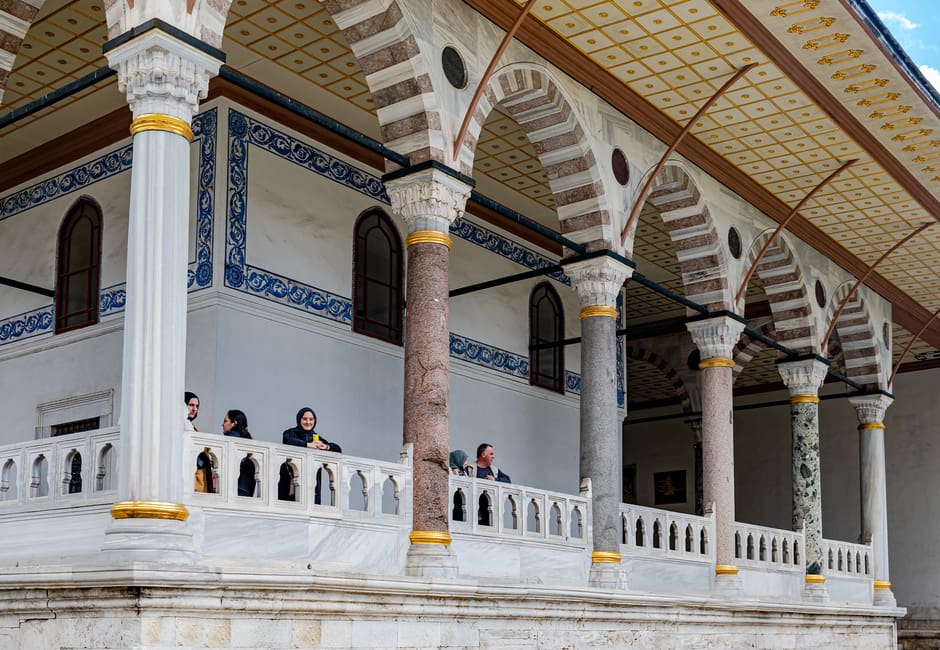
Few of the guides read cover this, and that’s where the official pages help most. The National Palaces pages give these weekly closing days:
| Closed on | Place |
|---|---|
| Monday | Dolmabahçe Palace, Beylerbeyi Palace |
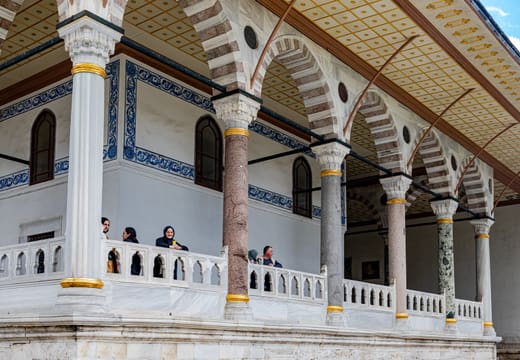
| Tuesday | Topkapı Palace |
| Wednesday | Yıldız Palace and Şale Pavilion |
Sources: Topkapı, Dolmabahçe, Beylerbeyi and Yıldız. The Dolmabahçe, Beylerbeyi and Yıldız pages also list 1 January and the first day of Ramazan Bayramı and Kurban Bayramı as closed. The same pages say weapons aren’t allowed in the palaces and that visitors aged 0 to 6 enter free. The Müze Kart doesn’t work in the Harem or Hagia Irene sections at Topkapı or in Dolmabahçe’s Selamlık section, and the pages list separate prices for local and foreign visitors, so you’ll want to read the current ones before you queue.
Less common picks
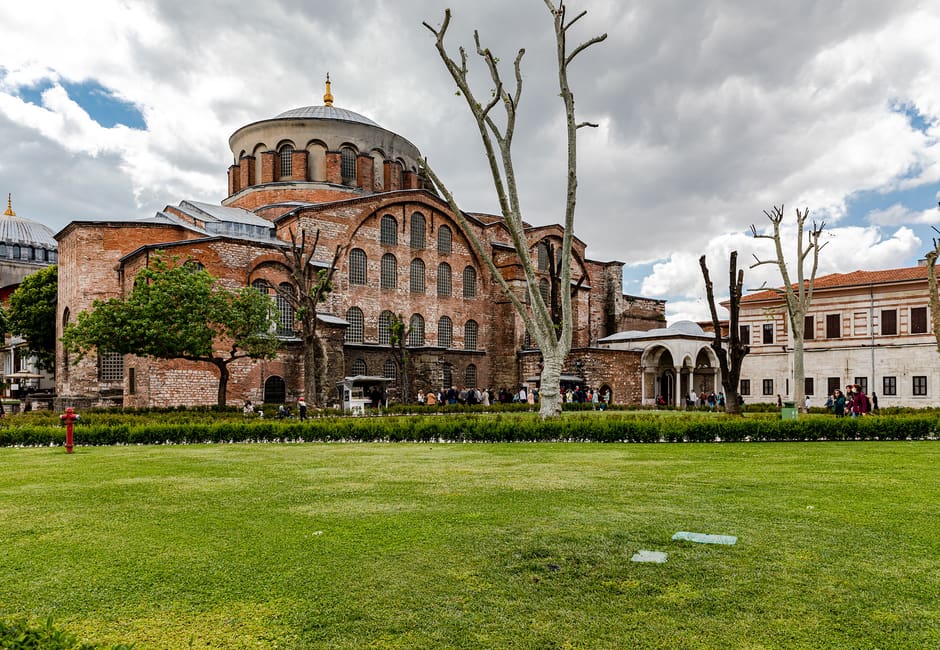
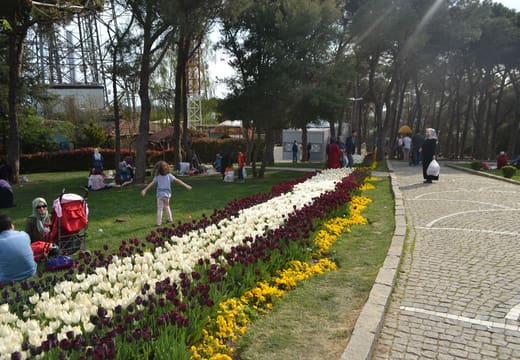
Four guides say you should start early at the big sights, Hagia Sophia, the Blue Mosque and Topkapı above all, and four suggest planning generously for distances and traffic. Four tell you to check e-visa rules before flying, and the Turkish government’s e-Visa site is the official place to do that. Three say spring and autumn are the best seasons, and Istanbul weather by month has the monthly picture. Emirgan Park and Gülhane Park are the parks to know in tulip season.
For trips beyond the city see best day trips from Istanbul, and for the sights themselves see things to do in Istanbul.
Frequently Asked Questions
Do you need an İstanbulkart in Istanbul?
Twelve of 18 guides say yes. Buy one on arrival and top it up at a machine or kiosk. Look up today’s card price and fares on the official İstanbulkart site.
What should you wear to mosques in Istanbul?
Cover your shoulders and knees, carry a scarf and take your shoes off. Expect to be asked to wait when worship is on.
Is the public ferry better than a paid Bosphorus cruise?
Ten guides send you onto a public line instead of a paid cruise. The usual choice is the crossing from Eminönü or Karaköy to Kadıköy.
How do you get around Istanbul?
Use the T1 tram, the M2 metro and the public ferries with an İstanbulkart rather than taxis. Where a taxi makes sense, insist on the meter or use a taxi app.
Where should you haggle in Istanbul?
In the Grand Bazaar and the spice market, not in shops with printed prices. Open well below the first price and stay polite.
Is Istanbul safe for visitors?
The guides’ advice is practical. Use the meter or a taxi app, know the shoe-shine and bar tricks, and keep small notes for markets. Check your government’s current travel advice before you book.
Which day are the museums closed?
The National Palaces pages give Monday for Dolmabahçe and Beylerbeyi, Tuesday for Topkapı and Wednesday for Yıldız. See the closing days table above, and read each page for holidays.
Do you need a visa for Istanbul?
Four guides tell you to check e-visa rules before flying. The Turkish government’s e-Visa site is the official place to do that.
Sources: 18 guides in English, German, French, Italian and Turkish, and 7 official pages
Guides in English
- Visit Istanbul: travel tips and things to knowWander-Lush
- 20 Best Things to Do in Istanbul (First-Time Visitor Guide)Adventour Begins
- Top 10 Tourist Blunders in Turkey and How to Avoid ThemGamin Traveler
- 51 Istanbul Travel TipsChasing the Donkey
- 30 Practical Istanbul Travel Tips On What To Expect Before VisitingTara O'Reilly
- 29 Istanbul Travel Tips: From Haggling at the Bazaars to Tourist ScamsNext Level of Travel
- Getting Around Istanbul: A Practical Transport GuideIn Your Pocket
- Getting around in IstanbulThe Guide Istanbul
- 11 Things to know before traveling to IstanbulParkSleepFly
- Istanbul: 7 Things Travelers Need To Know Before VisitingTravel Off Path
- Istanbul: Top 5 Scams to Watch Out forThe Poor Traveler
- 10 Things to do in IstanbulNotes of Nomads
- Istanbul Public transport guideCapetocasa
Guides in German
- Istanbul Tipps für deinen nächsten Städteurlaubcheckfelix
- Istanbul Türkei: 15 Tipps für die Stadt auf zwei Kontinenten 2026Loudavým krokem
Guides in French
- Istanbul : conseils pratiques et itinéraires 3 à 5 jours pour un voyage solo réussiGénération Voyage
Guides in Italian
- 10 cose da non fare a IstanbulThe Wom Travel
Guides in Turkish
- İstanbul'da İlk Kez Gezecekler İçin Popüler DuraklarHaber Gazetesi
Official pages
- Topkapı Palace, National Palaces visiting informationmillisaraylar.gov.tr
- Dolmabahçe Palace, National Palaces visiting informationmillisaraylar.gov.tr
- Beylerbeyi Palace, National Palaces visiting informationmillisaraylar.gov.tr
- Yıldız Palace, National Palaces visiting informationmillisaraylar.gov.tr
- İstanbulkart, Istanbul Metropolitan Municipality transport and payment systemistanbulkart.istanbul
- Republic of Türkiye e-Visa systemevisa.gov.tr
- Istanbul Airport (iGA), official siteistairport.com
Places in this guide
Photos show the actual places, licensed under Creative Commons and credited to their photographers.
Find hotels in Istanbul
Browse live availability and compare prices for your dates.
See hotels near Istanbul on Booking.comPrices are for the night of Saturday 28 November. You can change the dates on Booking.com. If you book, Roam Istanbul earns a small commission from Stay22 at no extra cost to you.